
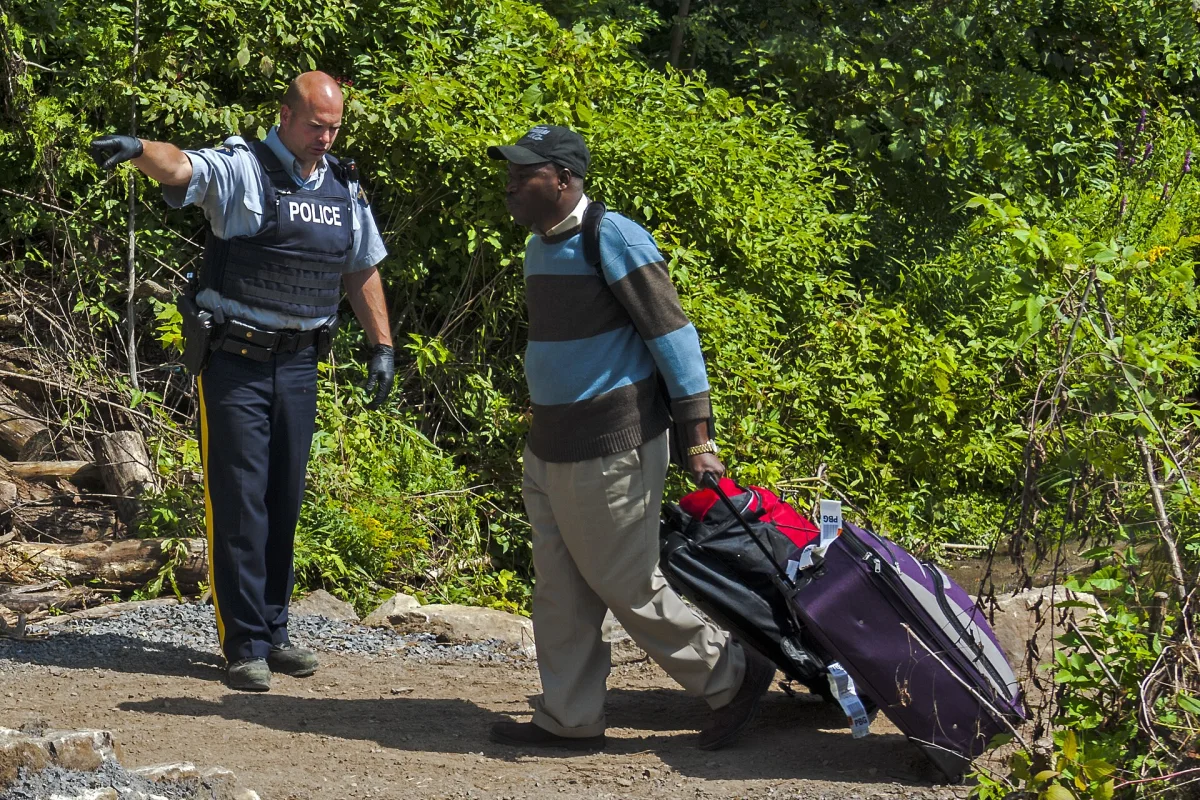
Canada has changed how asylum applications are received and processed, introducing a single application system, firmer deadlines and earlier screening of claimants before cases reach the country’s refugee tribunal.
The regulations took effect on November 3, 2026, under the Strengthening Canada’s Immigration System and Borders Act. The law, previously known as Bill C-12, received royal assent on March 26, 2026.
The changes are relevant to Kenyans who are already in Canada, arrive at a Canadian port of entry or are considering seeking refugee protection there. They do not change the rules for ordinary visitor visas, study permits, work permits or economic immigration programmes.
Canada grants asylum, legally known as refugee protection, to people who can establish a well-founded fear of persecution because of their race, religion, nationality, political opinion or membership of a particular social group. Protection may also be available to a person facing torture, a threat to life, or cruel and unusual treatment or punishment.
Wanting better employment, higher wages, education or improved living conditions does not, by itself, meet the refugee test. Claimants may also have to show that authorities in their home country cannot protect them and that they cannot safely relocate to another part of that country.
Under the new process, a person seeking asylum from inside Canada first records an intention to claim through the Immigration, Refugees and Citizenship Canada online portal. The person is then invited to an in-person appointment, where the claim is formally made before an officer. At a port of entry, including an airport, a claimant can make the initial claim directly to a border officer before completing the required application material.
Once a claim has been found eligible for referral, the claimant generally has 60 days to submit the completed application, supporting documents and required information. A one-time extension of 30 days may be requested before the deadline. Paper forms remain available on request for people unable to use the online system.
Missing the deadline or failing to respond can result in the file being sent to the Immigration and Refugee Board of Canada for an abandonment proceeding. Claimants must therefore monitor official communications, attend appointments and keep their contact information updated.
Immigration and border authorities will now conduct more screening before eligible cases are referred for a refugee hearing. This includes checks involving identity, criminality, security, admissibility, possible misrepresentation and other concerns affecting the integrity of the asylum system.
Eligible claimants may receive work permits after completing the required application and immigration medical examination, even if the claim has not yet been formally referred to the refugee board. A work permit allows a claimant to support themselves while awaiting a decision, but it does not guarantee that the asylum application will succeed.
Separate eligibility restrictions introduced when the law came into force in March remain important. A claim made more than one year after a person’s first entry into Canada after June 24, 2020, will generally not be sent to the refugee board. This applies even if the person later left Canada and returned.
An exception protects people who begin the online claim process and record their intention to seek asylum before the one-year deadline. Unaccompanied minors are also exempt from the new one-year and irregular-border deadlines.
Another restriction covers people who enter Canada between official crossing points along the United States border and wait more than 14 days to claim asylum. The Canada-US Safe Third Country Agreement separately means most people arriving through the US land border are returned to the United States unless they qualify for a recognised exception, such as certain family, minor or public-interest exceptions.
A person whose claim is ruled ineligible under the new time limits does not receive a full refugee hearing before the independent board. The case is transferred to border authorities for further action. However, the person may still be able to seek a pre-removal risk assessment intended to prevent removal to a place where they face persecution, torture or other serious harm.
Canada says the reforms are intended to address delays and a large backlog. The inventory of people awaiting refugee decisions rose from about 70,000 at the end of 2022 to nearly 300,000 at the end of 2025. Canada recorded approximately 173,000 claims in 2024 and 115,000 in 2025. Claims between January and August 2026 were 52 per cent lower than during the same period in 2025.
Immigration Minister Lena Metlege Diab said the new system was designed to process claims more efficiently while continuing to protect people who genuinely require safety. Refugee organisations and legal groups have nevertheless raised concerns that the one-year restriction may deny some vulnerable people a full hearing, particularly those whose circumstances change after arriving in Canada or who delay disclosing persecution because of trauma, fear or exploitation.
For Kenyans, the main lesson is that asylum is a protection procedure rather than an alternative immigration programme. Anyone facing a genuine risk and considering a claim should act within the deadlines, preserve evidence of the danger they face and use official government channels or a properly authorised legal representative. Paying an agent or submitting an application does not guarantee protection, and false information can lead to refusal, removal and restrictions on returning to Canada.