
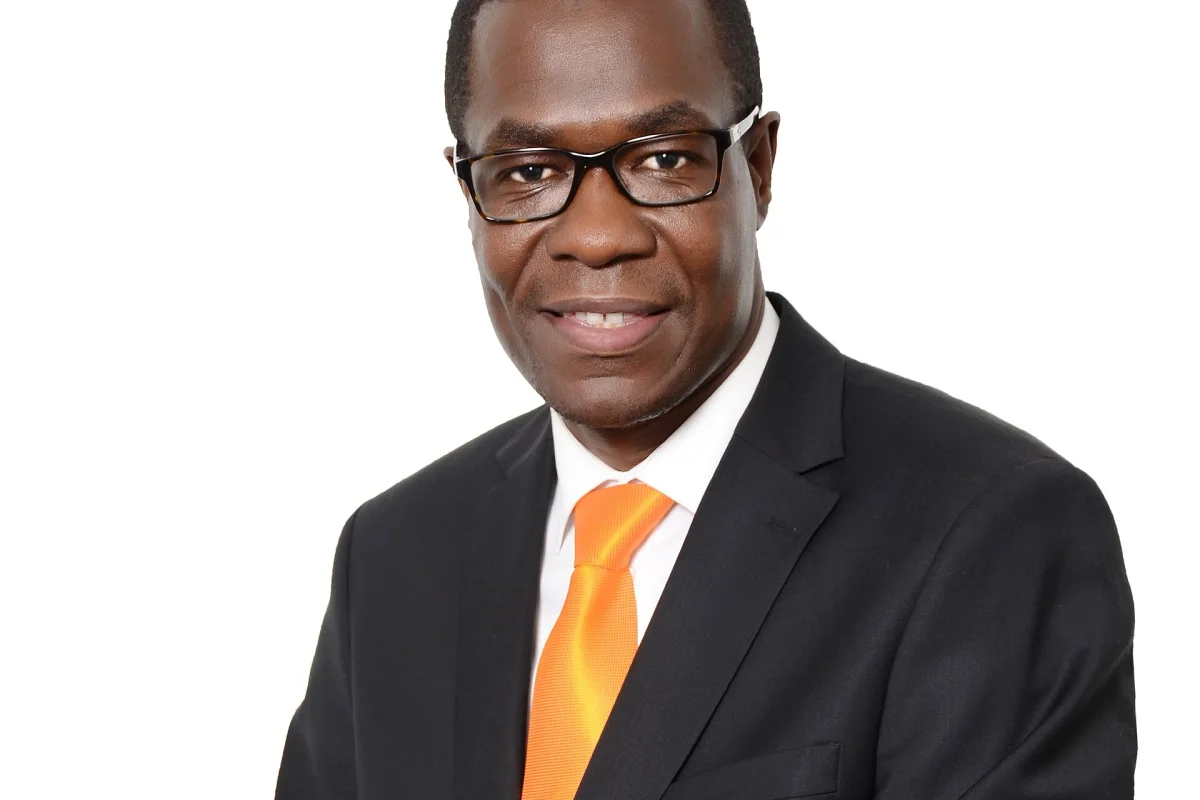
Energy and Petroleum Cabinet Secretary Opiyo Wandayi has told opposition leaders that Kenyan voters, rather than the Independent Electoral and Boundaries Commission, will determine President William Ruto’s political future in the 2027 General Election.
Wandayi spoke on Monday, November 23, 2026, at Empash Primary School in Empash village, Leshuta Location, Naikarra Ward, Narok West Constituency. He was attending the launch of two Last Mile Connectivity projects intended to extend electricity to communities and public institutions in the area.
The Cabinet Secretary urged politicians seeking elective office to campaign among voters instead of concentrating their criticism on the electoral commission. He expressed confidence that Ruto would secure a second term when Kenyans vote on August 10, 2027, although the President’s re-election bid will ultimately depend on the candidates nominated and the choices made by voters.
Wandayi was accompanied by Defence Cabinet Secretary Soipan Tuya, Narok Governor Patrick Ntutu and other national and county leaders. Official government records identify Tuya as the Defence Cabinet Secretary, correcting her description in the candidate report as the Environment Cabinet Secretary.
The two electricity lines launched in Narok West are expected to serve approximately 250 households. Reported project figures put the Ntepes-Empash-Ilkokoyo Primary Schools line at Sh50.58 million and the Nturumeti-Olemigil-Enturoto line at Sh38.19 million, bringing their combined value to about Sh88.77 million. A separate report from the event rounded the package to approximately Sh87 million and said the government had allocated Sh2.8 billion to connect nearly 15,000 homes across Narok County.
Wandayi argued that Narok West and other underserved areas had historically received inadequate public investment. He credited the Ruto administration with directing electricity and other infrastructure funding to regions that had remained outside the national grid. The practical test will now be the completion of the lines, connection of the targeted homes and institutions, and reliable supply of power after commissioning.
His political remarks came four days after opposition leaders walked out of a high-level meeting convened by the IEBC in Nairobi on November 19. Those who left included former Deputy President Rigathi Gachagua, Wiper leader Kalonzo Musyoka, Nairobi Senator Edwin Sifuna, former Chief Justice David Maraga and other opposition figures.
The opposition said the agenda presented by IEBC Chairperson Erastus Ethekon did not adequately cover its proposed electoral reforms and public concerns about the credibility of the 2027 election. Issues raised in the wider reform campaign include the integrity of the voter register, election technology, transmission and publication of results, procurement decisions and greater involvement of political parties in preparations.
President Ruto responded later that day during a public event in Bokoli, Bungoma County, accusing his rivals of searching for excuses before the campaign had fully begun. He similarly argued that the opposition should identify a presidential candidate, present an alternative programme and mobilise voters rather than direct its political grievances at the commission.
In a statement dated November 20, IEBC confirmed the meeting and said the opposition leaders departed after presenting preliminary demands but before the commission could deliver its election-preparedness briefing. The commission acknowledged that political parties have a legitimate role in proposing reforms and holding electoral institutions accountable. It invited parties to make formal submissions and promised continued consultations throughout the electoral cycle.
IEBC also stressed that, while citizens cast the votes, the commission has a constitutional duty to conduct and supervise elections impartially, transparently, accurately and accountably. That distinction is central to the dispute: voters choose their leaders, but confidence in the result also depends on the integrity of registration, voting, counting, transmission and tallying processes.
The commission’s Election Operations Plan schedules the General Election for Tuesday, August 10, 2027. Before then, IEBC must complete key preparations, including reviewing political-party nomination rules, testing election technology, appointing returning officers, identifying tallying centres, confirming polling stations and displaying the voter register. Further engagement between IEBC and political parties will therefore be closely watched as government and opposition leaders intensify their campaigns.