
Kenya and Germany have agreed to work towards faster visa, recruitment and professional qualification processes as the two countries seek to expand legal employment opportunities for Kenyan workers.
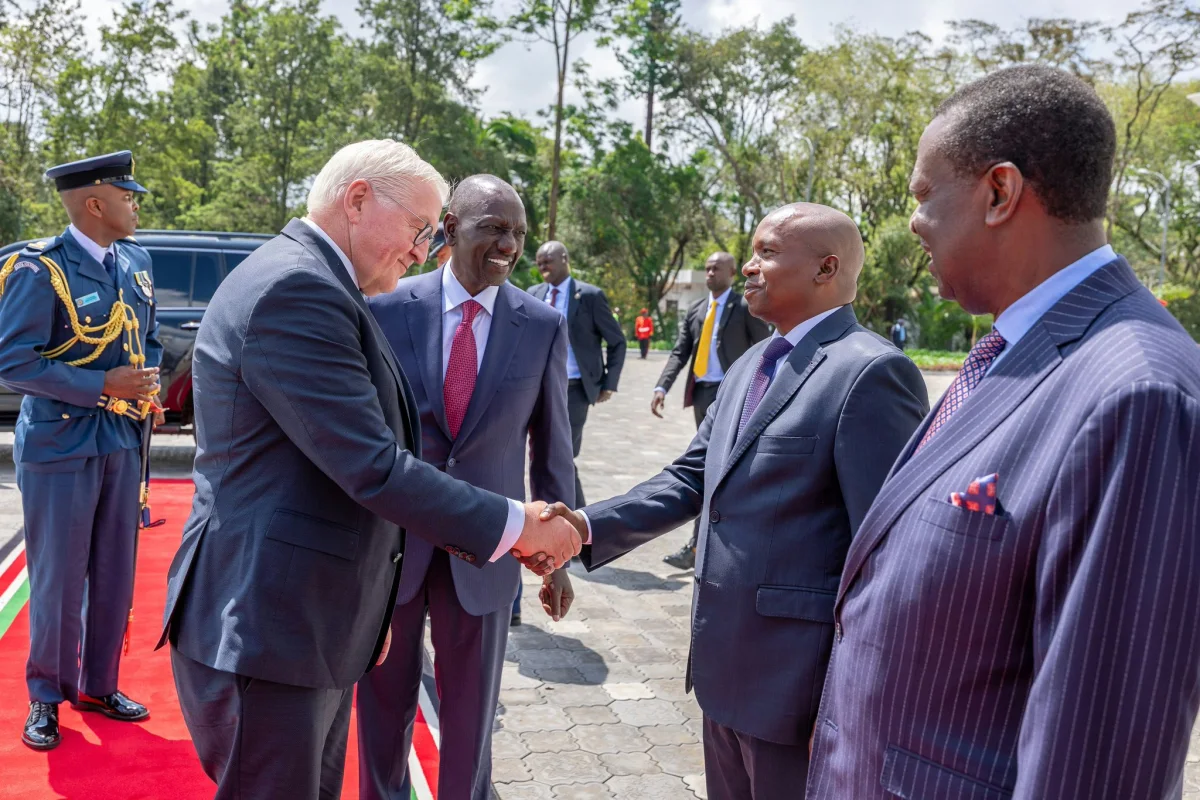
President William Ruto held talks with German President Frank-Walter Steinmeier at State House, Nairobi, on Wednesday, November 25, during the German leader’s official visit to Kenya from November 24 to 26, 2026.
The two presidents witnessed the signing of a memorandum of understanding between the Kenyan government and telc, a German institution that administers internationally recognised language examinations. The arrangement is designed to address one of the main barriers facing Kenyans seeking employment, vocational training or further education in Germany.
Under the planned cooperation, Kenyan applicants will have greater access to recognised German-language examinations locally. The initiative will also support affordable language instruction, curriculum development, German-language textbooks and vocational training materials, as well as capacity-building for teachers.
German proficiency is required for many employment and training pathways, particularly in regulated or public-facing occupations. Applicants may also need their academic or vocational qualifications assessed by German authorities before they can receive visas or begin work.
Ruto said Kenya and Germany had discussed streamlining visa and recruitment procedures, expanding language preparation and accelerating the recognition of professional qualifications. The talks also explored stronger links between Kenyan technical and vocational education and training institutions and German employers.
However, the announcements did not establish a deadline for the proposed changes, remove existing visa requirements or guarantee employment to applicants. Kenyans will still have to meet the conditions attached to specific jobs, training programmes and German immigration routes.
The President said the number of Kenyans employed in Germany increased from 7,170 in March 2024 to 9,500 in March 2026. Over the same period, the number of Kenyan trainees contributing to Germany’s social security system rose from 820 to 1,260.
Steinmeier said Germany wanted to create opportunities for young people while developing fair, regular and orderly pathways for labour migration. Germany has been seeking foreign workers in sectors facing skills shortages, including healthcare, construction, information technology, transport and skilled trades.
The latest commitments build on the Comprehensive Migration and Mobility Partnership signed by Kenya and Germany in Berlin on September 13, 2024. That agreement created a framework covering employment, education, vocational training, skills development and worker protection. It also includes cooperation on irregular migration and the return of people who do not have a legal right to remain in either country.
Kenya has since signed implementation arrangements with German business, migration and vocational institutions. These initiatives focus on ethical recruitment, matching skills to vacancies, language preparation and ensuring that workers receive accurate information and clear contracts before travelling.
Ruto said Kenya would seek a significant share of an estimated 200,000 vacancies in Germany. That figure should not be interpreted as a quota reserved for Kenyans. Access will depend on employer demand, applicants’ qualifications, language competence and immigration approval.
The two leaders also discussed employment opportunities for Kenyan seafarers through structured training, sea-time placements and partnerships with German shipping companies. Cooperation could extend to maritime logistics and the modernisation of the ports of Mombasa and Lamu.
Beyond labour mobility, Ruto invited German companies to invest in manufacturing, agro-processing, infrastructure, healthcare, renewable energy and digital technology. He also welcomed Germany’s commitment of 52.5 million euros, estimated at KSh7.8 billion, in development cooperation for the 2026-2028 period.
The presidents proposed a Kenya-Germany Business Forum to strengthen trade, investment and partnerships between companies in the two countries. More than 100 German companies have operations in Kenya, with some using the country as a base for the wider East African market.
For job seekers, the next steps will depend on the operational details of the telc agreement and further decisions by Kenyan and German authorities on recruitment, visa processing and qualification recognition. Applicants should use official government platforms, confirm that recruitment agencies are licensed and avoid paying individuals who promise guaranteed jobs or expedited visas.