
NAIROBI — Kenya’s borrowing has come under renewed parliamentary and public scrutiny after official records showed the government contracted 13 external loan agreements during the first eight months of 2026, in addition to issuing a separate international sovereign bond.
The figure comprises six loans contracted between January 1 and April 30 and seven agreements signed between May 1 and August 31. The earlier reporting period also included a $2.25 billion dual-tranche sovereign bond issued in February, which is not included in the count of 13 project and programme loans.
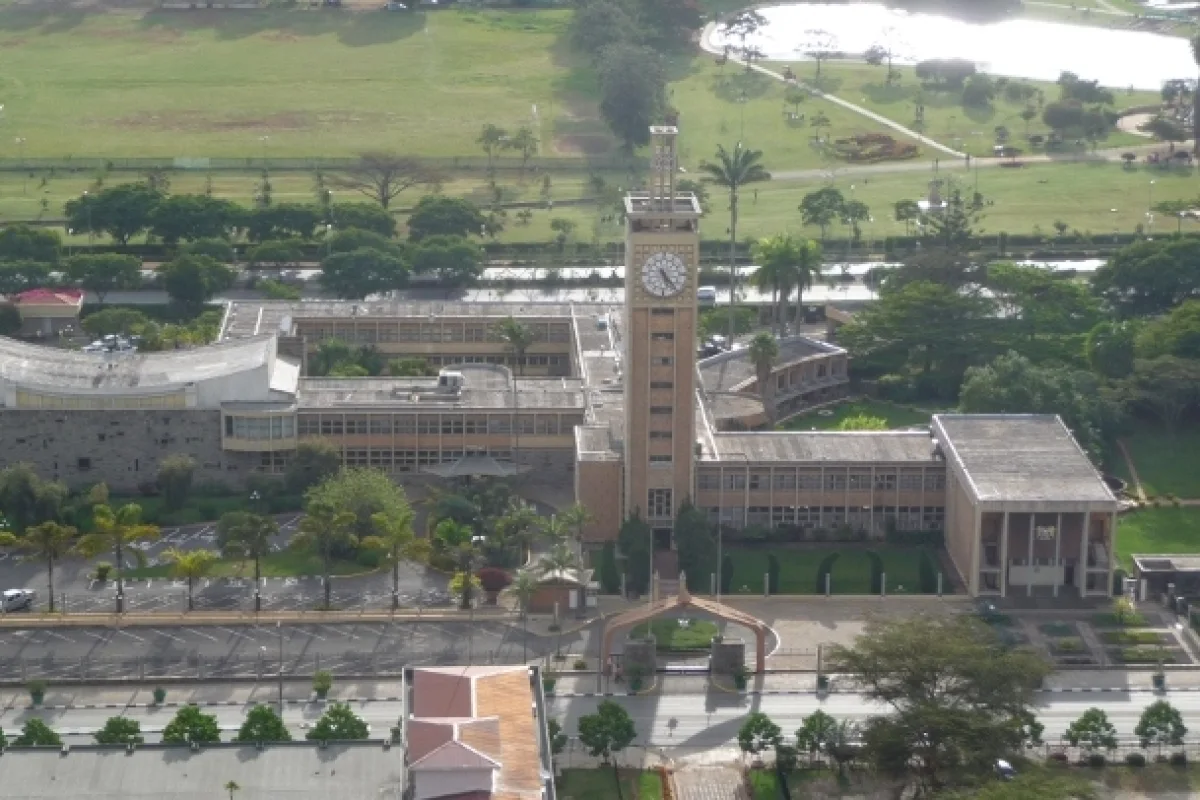
The latest seven agreements were tabled in the National Assembly on November 19 after Treasury Cabinet Secretary John Mbadi forwarded the report to Parliament. Their stated value was approximately Sh233.4 billion, covering budget support, transport infrastructure, water supply and institutional development.
The facilities include financing for fiscal sustainability and economic reforms, the Economic Inclusion and Green Recovery Support Programme, improvements along the Isiolo-Mandera road corridor, the Thika and Githunguri water and sanitation project, and additional water supply infrastructure serving Mombasa and Kwale counties.
However, the Treasury has disputed claims that the entire Sh233.4 billion immediately increased Kenya’s outstanding debt. It said the amount represented the value of signed financing agreements, some of which were awaiting disbursement or would be released gradually as projects met agreed conditions.
According to the ministry, only about Sh95.7 billion from two budget-support facilities had been disbursed when the report was prepared. Kenya also repaid approximately Sh89.97 billion in external loans during the same four-month period. Treasury said debt movements must therefore be calculated using actual disbursements, repayments, exchange-rate changes and other adjustments rather than the face value of signed agreements alone.
The ministry also clarified that six of the seven agreements were with multilateral development institutions, while the seventh was a concessional bilateral facility from Denmark. It rejected suggestions that the seven were commercial loans, saying a significant share was secured on longer repayment periods and relatively favourable terms.
Even with that distinction, Kenya’s overall debt burden has continued to grow. The latest official bulletin placed total public and publicly guaranteed debt at Sh13.532 trillion at the end of September 2026, up from Sh13.468 trillion in August.
Domestic debt accounted for Sh7.785 trillion, or 57.5 per cent of the total, while external debt stood at Sh5.748 trillion. The total was equivalent to 72.7 per cent of gross domestic product in nominal terms and 66.9 per cent when measured in present-value terms.
The September movement illustrates why loan commitments do not translate directly into an equal increase in debt. External debt declined by nearly Sh51 billion during the month because of repayments, while domestic debt rose by about Sh116.2 billion, producing a net increase of roughly Sh65.3 billion.
Kenya’s statutory debt anchor is 55 per cent of GDP in present-value terms. A parliamentary committee examining public debt governance said the Treasury should bring the ratio within that target by October 2028 and continue fiscal consolidation afterwards.
That target is facing questions because the government’s draft medium-term debt strategy projects the present value of public debt declining only gradually, from 65.6 per cent of GDP in 2026 to 62.1 per cent by 2030. The strategy classifies Kenya’s debt as sustainable but at high risk of debt distress, pointing to persistent budget deficits, refinancing pressure, exchange-rate exposure and rising repayment costs.
The National Assembly’s Public Petitions Committee has rejected a proposal for a 24-month freeze on government borrowing, warning that an abrupt halt could disrupt public services, development programmes and wider economic activity. Instead, it called for tighter oversight and clearer disclosure of how borrowed money is received, spent and repaid.
The committee recommended that the Treasury submit legal amendments requiring an up-to-date and comprehensive public debt registry matching every facility with related debt-service expenditure. It also called for greater public participation when preparing the Medium-Term Debt Management Strategy and other borrowing policies.
Attention will now turn to Parliament’s consideration of the 2027 debt strategy and whether lawmakers will demand changes to borrowing plans, reporting requirements and the path towards the 55 per cent anchor. The central challenge will be balancing financing for infrastructure and essential services against the growing share of government revenue required to service existing obligations.